Walk into any pharmacy or scroll through any wellness feed and you'll find hundreds of supplements making identical promises: more energy, better focus, healthier skin. But behind those promises, the actual ingredients vary wildly. The difference between a clean, bioavailable formula and a synthetic, filler-loaded one can determine whether your body absorbs real nutrients or just processes expensive dust.
Key Takeaways
- Synthetic vitamins are chemically similar to natural ones but are often poorly absorbed by the body.
- Bioavailability (how much your body actually uses) matters more than the raw dosage on the label.
- Fillers, artificial colors, and unnecessary binders in cheap supplements add nothing to your health.
- Clean, traceable, clinically dosed ingredients are the foundation of supplements that actually work.
What "Synthetic" Actually Means in Supplements
The word "natural" gets thrown around loosely in the supplement industry, so let's clarify what we're actually comparing.
Natural-source ingredients are derived from whole foods, plants, minerals, or animal sources. They retain the molecular structure and cofactors that your body evolved to recognize and process. For example, Vitamin D3 (cholecalciferol) sourced from lanolin mirrors the form your skin produces from sunlight.1
Synthetic ingredients are manufactured in laboratories to replicate the chemical structure of natural nutrients. While they may be chemically identical on paper, they sometimes exist in different molecular forms (called isomers) that your body handles differently. Synthetic Vitamin E (dl-alpha-tocopherol), for instance, contains mirror-image molecules that your body can't use as efficiently as the natural form (d-alpha-tocopherol).2
This doesn't mean all synthetic ingredients are bad. Some synthetic forms are well-absorbed and perfectly effective. The issue is when manufacturers choose the cheapest synthetic version available without considering how your body will actually process it.
Why Bioavailability Is the Real Metric

A supplement label might show an impressive dosage, but the number that actually matters is bioavailability: the percentage of an ingredient your body can absorb and use.
Here's a practical example. You take a 1,000mg calcium supplement, but your body can only absorb about 30% of calcium carbonate at a time. That means you're effectively getting 300mg. Meanwhile, calcium citrate has roughly 20% higher absorption rates, meaning the same dose delivers more usable calcium to your bones.3
This principle applies across the board:
-
Curcumin from turmeric has notoriously poor absorption on its own. But when paired with piperine (BioPerine), absorption increases by up to 2,000%.4
-
Magnesium oxide is one of the cheapest forms but has only about 4% bioavailability. Magnesium glycinate or citrate delivers dramatically more to your cells.
-
Collagen peptides that have been hydrolyzed (broken into smaller chains) absorb far better than whole collagen or basic gelatin.
This is why reading beyond the headline dosage matters. A well-formulated supplement with 500mg of a bioavailable ingredient can outperform a poorly formulated one with 1,000mg of a cheap alternative. How a supplement is formulated is just as important as what's in it.
The Hidden Problem: Fillers, Binders, and Additives
Beyond the active ingredients, many supplements contain a surprising amount of inactive ingredients that serve the manufacturer, not you.
Common additives in lower-quality supplements include:
-
Magnesium stearate: A flow agent that makes manufacturing easier but adds no nutritional value. While generally considered safe, its presence often signals cost-cutting in other areas of the formula.
-
Titanium dioxide: Used to make tablets look whiter and more "pharmaceutical." Some countries have started restricting its use in food products due to safety concerns.
-
Artificial colors (FD&C dyes): Added purely for visual appeal. They serve zero health purpose and some individuals report sensitivities.
-
Silicon dioxide and talc: Anti-caking agents that prevent clumping during production.
None of these ingredients improve the supplement's effectiveness. They exist to make production faster, cheaper, and more visually appealing. A clean formula minimizes these additives, focusing the capsule or tablet space on ingredients that actually benefit your body.
Clean, Clinical Dosages
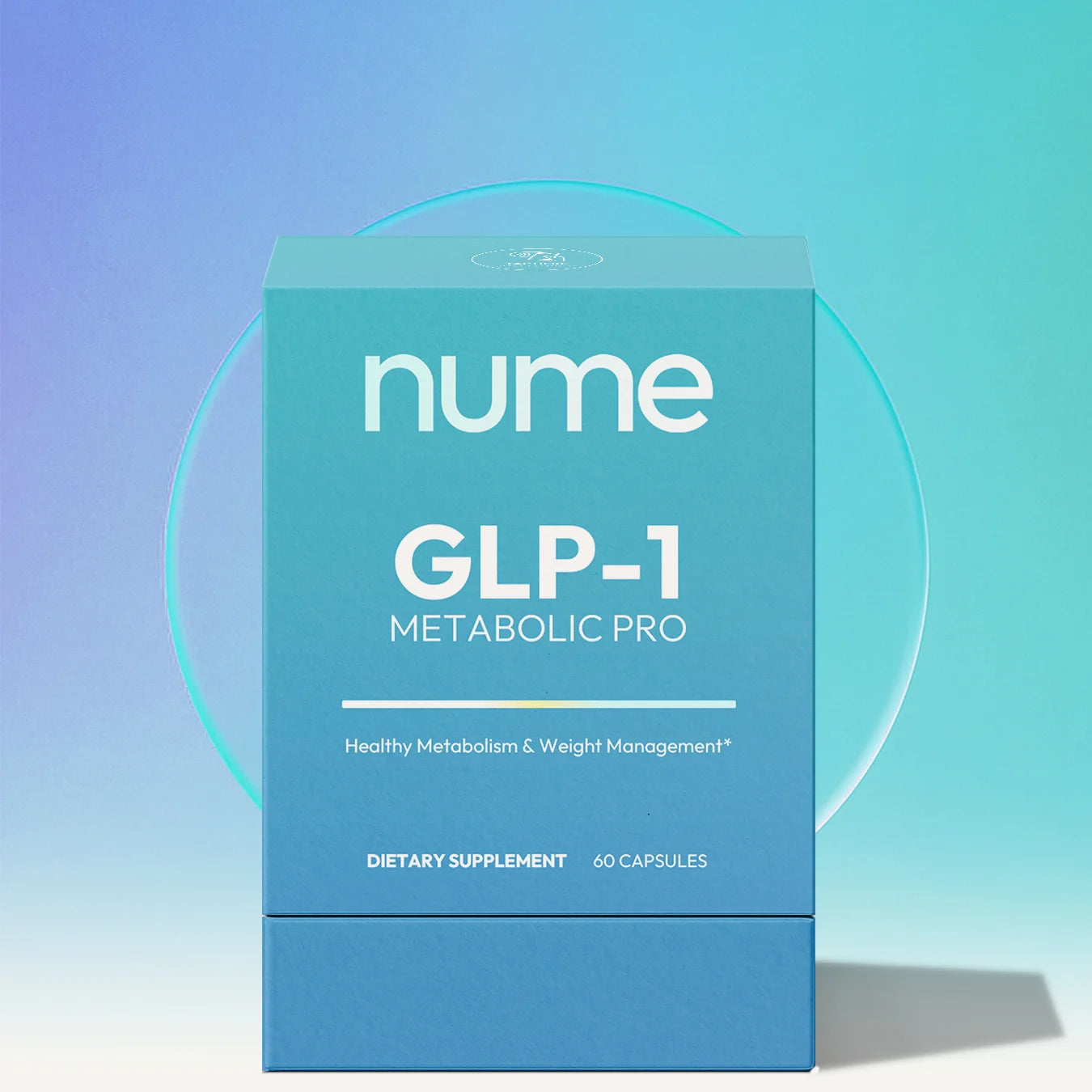
GLP-1 Metabolic PRO
Formulated with bioavailable, traceable ingredients at clinically studied dosages. No fillers, no gimmicks, just science-backed metabolic support.
Shop Now
See All

How to Read a Supplement Label Like a Pro
You don't need a chemistry degree to evaluate supplement quality. Here are the key things to look for:
1. Check the Form of Each Ingredient
Look for specific forms listed in parentheses after the ingredient name. "Vitamin D3 (as cholecalciferol)" tells you something. Just "Vitamin D" without specifying the form is a red flag. Quality brands are transparent about exactly which form they use because they're proud of the choice.
2. Look for "Other Ingredients"
Flip to the bottom of the Supplement Facts panel. The "Other Ingredients" section lists all the non-active components. A short list here is generally better. If it reads like a chemistry textbook, ask yourself why those additives are necessary.
3. Verify Third-Party Testing
Reputable supplement brands submit their products to independent labs for purity, potency, and contaminant testing. Look for certifications or mentions of third-party testing on the label or the brand's website. Manufacturing standards like GMP (Good Manufacturing Practices) certification are a baseline, not a bonus.
4. Compare Dosages to Clinical Research
If a supplement contains an ingredient that's been clinically studied, check whether the dosage matches what was used in research. Many products include trendy ingredients at "fairy dust" levels, amounts too small to have any real effect, just so they can list it on the label.
5. Be Skeptical of Proprietary Blends
"Proprietary blend" means the brand doesn't have to disclose how much of each ingredient is in the blend, only the total weight. This makes it impossible to verify whether you're getting effective doses. Transparent brands list every ingredient and its exact amount.
The Bottom Line
Not all supplements are built the same, and the difference matters more than most people realize. Synthetic doesn't automatically mean bad, and natural doesn't automatically mean good. What matters is bioavailability, clinical dosing, clean formulation, and transparency.
When a supplement uses the right form of each ingredient, doses it at levels that match clinical research, minimizes unnecessary additives, and tells you exactly what's inside, that's a supplement worth taking. When it hides behind proprietary blends, cheap synthetic forms, and flashy marketing, your body notices the difference even if you don't immediately.
Your body deserves ingredients it can actually use. That's not a marketing line. It's the science behind why some supplements work and others don't.
Quality You Can Trust
See the Nume Difference
Every Nume product is made with clean, traceable, clinically supported ingredients. No proprietary blends. No hidden fillers. Just transparent, effective formulas.
Shop Now
Learn More
Frequently Asked Questions
Are synthetic vitamins bad for you?
Not necessarily. Some synthetic forms are well-absorbed and effective. The issue arises when manufacturers choose the cheapest synthetic option without considering bioavailability. For example, synthetic folic acid works differently in your body than natural folate (5-MTHF), and some people lack the enzymes to convert the synthetic form efficiently. The key is choosing supplements that use the most bioavailable form, whether natural or synthetic.
How can I tell if a supplement uses quality ingredients?
Look for specific ingredient forms listed on the label (not just generic vitamin names), check the "Other Ingredients" section for unnecessary fillers, verify third-party testing or GMP certification, and compare dosages against published clinical research. Brands that use proprietary blends or don't specify ingredient forms are often hiding lower-quality choices.
What is bioavailability and why does it matter?
Bioavailability is the proportion of an ingredient that your body can actually absorb and use. A supplement might contain 1,000mg of an ingredient, but if only 5% is bioavailable, your body is only getting 50mg of usable nutrient. Higher bioavailability means more of what you pay for actually reaches your cells and delivers benefits.
Does a higher dosage always mean a better supplement?
No. A well-formulated supplement with a moderate dose of a highly bioavailable ingredient often outperforms a megadose of a poorly absorbed form. Your body also has absorption limits for most nutrients, so beyond a certain point, higher doses simply pass through without additional benefit. Clinical dosing, matched to what research shows is effective, matters more than raw numbers.
Why are some supplements so much cheaper than others?
Price differences usually come down to ingredient quality, sourcing, manufacturing standards, and testing. Cheaper supplements often use synthetic forms with lower bioavailability, include more fillers, skip third-party testing, and may use lower manufacturing standards. While expensive doesn't automatically mean better, consistently low prices in the supplement industry usually indicate compromises in formulation quality.
Sources
- Heaney, R.P., et al. (2011). Vitamin D3 is more potent than Vitamin D2 in humans. Journal of Clinical Endocrinology & Metabolism, 96(3), E447-E452.
- Burton, G.W., et al. (1998). Human plasma and tissue alpha-tocopherol concentrations in response to supplementation with deuterated natural and synthetic vitamin E. American Journal of Clinical Nutrition, 67(4), 669-684.
- Heaney, R.P., et al. (2001). Absorbability and cost effectiveness in calcium supplementation. Journal of the American College of Nutrition, 20(3), 239-246.
- Shoba, G., et al. (1998). Influence of piperine on the pharmacokinetics of curcumin in animals and human volunteers. Planta Medica, 64(4), 353-356.