GLP-1, or glucagon-like peptide-1, has become one of the most talked-about molecules in health and wellness. But beyond the headlines and viral social media posts, what does this hormone actually do in your body? And more importantly, how can you support it naturally? Here's what the science says.
Key Takeaways
- GLP-1 is a natural hormone your gut produces after eating that regulates appetite, blood sugar, and digestion
- People with lower GLP-1 activity tend to experience more hunger, stronger cravings, and greater difficulty managing weight
- Diet, gut health, meal timing, and targeted supplementation can all influence your body's GLP-1 production
- Supporting GLP-1 naturally works with your biology rather than against it
What Is GLP-1?
GLP-1 stands for glucagon-like peptide-1. It's a naturally occurring hormone produced by specialized L-cells in your small intestine. Every time you eat, these cells release GLP-1 into your bloodstream, setting off a cascade of metabolic signals that help your body process food efficiently.1
The hormone works through three primary mechanisms:
-
Insulin signaling: GLP-1 tells your pancreas to release insulin in response to rising blood sugar, helping glucose move from your blood into cells where it can be used for energy
-
Satiety signaling: It communicates directly with your brain's appetite center, creating a natural feeling of fullness after eating
-
Gastric pacing: GLP-1 slows the rate at which food leaves your stomach, giving your body more time to absorb nutrients and extending that feeling of satisfaction
Think of GLP-1 as your body's built-in portion control and energy management system. When it's working well, you feel satisfied after meals, your energy stays steady, and your blood sugar remains balanced throughout the day.

How Does GLP-1 Support Weight Management?
Research over the past two decades has established a clear connection between GLP-1 activity and metabolic health. Multiple clinical studies have shown that people with a blunted GLP-1 response after meals tend to experience:2
- More frequent hunger between meals
- Stronger cravings, especially for high-calorie foods
- Greater difficulty maintaining a healthy weight over time
- More pronounced blood sugar spikes and crashes
This is a crucial insight. For many people, the struggle with weight isn't simply about willpower or discipline. It's about biology. When your GLP-1 response is suboptimal, your body is literally sending you stronger hunger signals and weaker fullness signals. You're fighting against your own biochemistry.
This understanding has shifted the conversation in nutritional science. Rather than focusing solely on calorie restriction, researchers are now exploring how to support the body's natural appetite-regulating systems, starting with GLP-1.
What Affects Your Natural GLP-1 Levels?
Your body's GLP-1 production isn't fixed. It's influenced by a range of factors, many of which are within your control:3
1. Diet Composition
Certain foods are particularly effective at stimulating GLP-1 release. High-fiber foods like vegetables, legumes, and whole grains create a sustained GLP-1 response. Protein-rich meals also trigger significant GLP-1 secretion. In contrast, highly processed foods and refined carbohydrates tend to produce a weaker, shorter-lived GLP-1 response.
2. Gut Microbiome Health
The bacteria in your gut play a direct role in GLP-1 production. Short-chain fatty acids produced by beneficial gut bacteria stimulate the L-cells that produce GLP-1. A diverse, healthy microbiome is essentially the foundation of strong GLP-1 signaling.4
3. Meal Timing and Patterns
Regular eating patterns help maintain consistent GLP-1 signaling. Erratic meal timing or prolonged fasting can disrupt the rhythm of GLP-1 release, potentially leading to stronger hunger and less effective appetite regulation when you do eat.
4. Targeted Supplementation
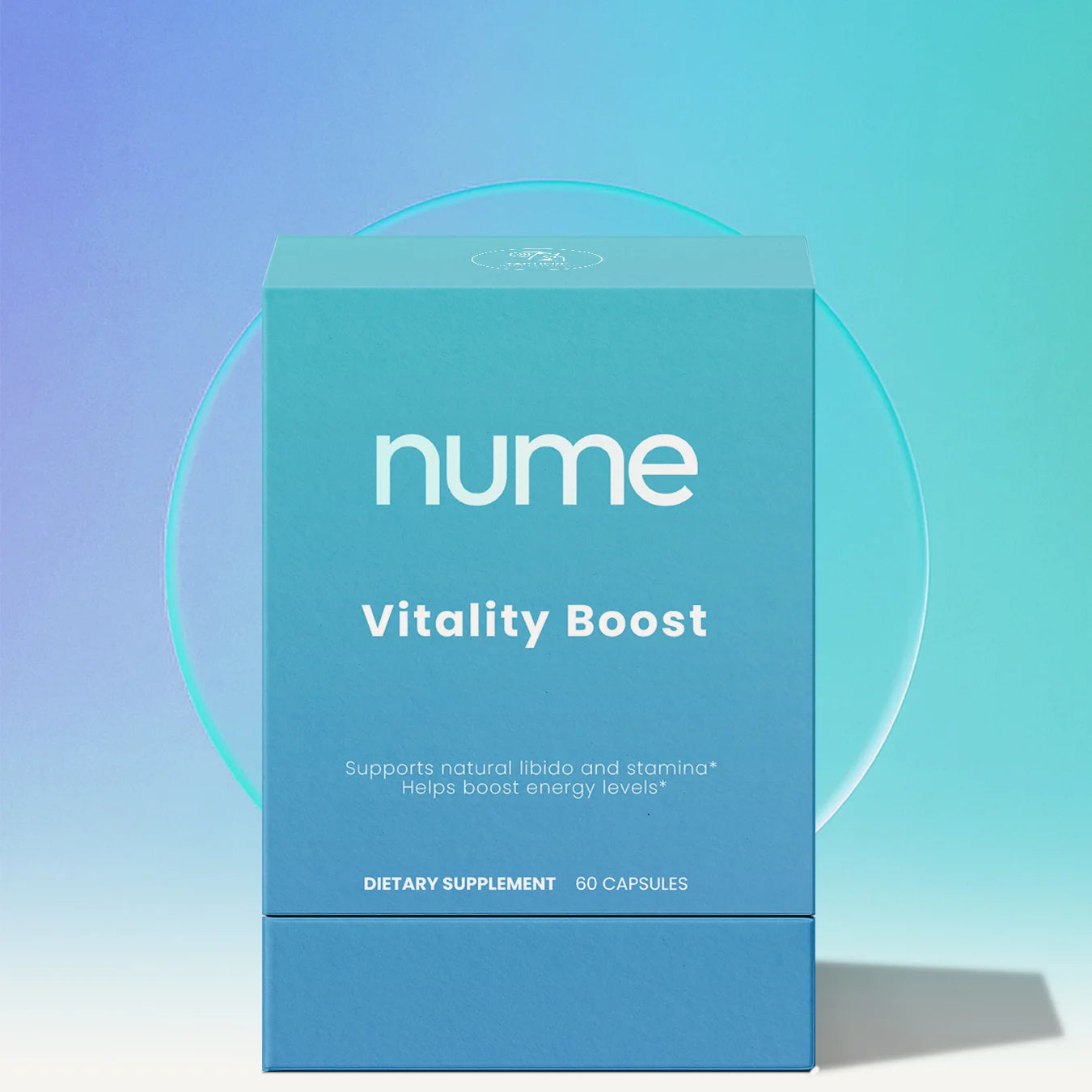
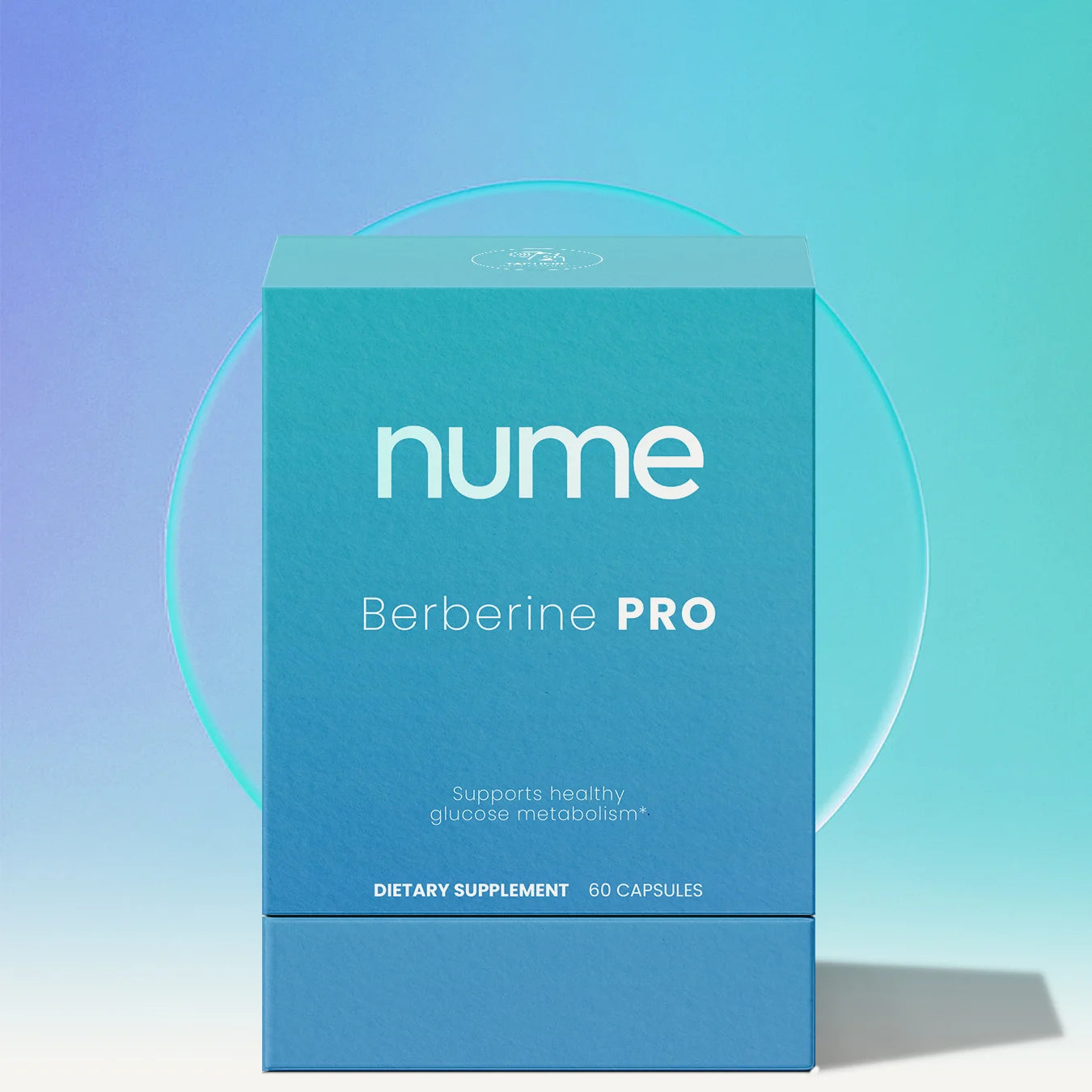
Emerging research has identified specific natural compounds that may enhance your body's GLP-1 response. Ingredients like berberine, chromium, and certain botanical extracts have shown promise in supporting GLP-1 activity in clinical settings.5
Support your metabolism
Take control naturally
Clinically studied ingredients to support your body's GLP-1 response.
Shop now
Learn more

Pharmaceutical GLP-1 vs. Natural GLP-1 Support
You've likely heard of GLP-1 receptor agonists like semaglutide (Ozempic, Wegovy) and tirzepatide (Mounjaro). These pharmaceutical drugs work by mimicking GLP-1 at much higher concentrations than your body naturally produces. While effective, they come with potential side effects including nausea, vomiting, and other gastrointestinal issues, and require ongoing medical supervision.
Natural GLP-1 support takes a different approach entirely. Instead of flooding your system with synthetic GLP-1 mimics, the goal is to optimize your body's own production and response. This means:
-
Working with your body's existing systems rather than overriding them
-
Supporting sustainable, long-term metabolic health rather than dramatic short-term results
-
Building habits and nutritional foundations that benefit your overall wellness beyond just weight management
Both approaches have their place. But for people looking to optimize their metabolic health naturally, supporting endogenous GLP-1 production is an increasingly well-supported strategy.
Ways to Support Your GLP-1 Response Today
You don't need to overhaul your entire lifestyle to start supporting your GLP-1 levels. Here are practical, evidence-based steps you can take:
-
Prioritize fiber at every meal. Aim for vegetables, legumes, or whole grains as a significant part of each plate. Fiber is one of the strongest dietary stimulators of GLP-1.
-
Include protein with your meals. Protein triggers GLP-1 release and also supports satiety through other pathways, creating a compounding effect.
-
Support your gut health. Fermented foods, diverse plant foods, and prebiotic fibers all help maintain the gut bacteria that drive GLP-1 production.
-
Eat mindfully and on a regular schedule. Your GLP-1 system responds best to consistent eating patterns. Rushed meals and erratic timing can blunt your response.
-
Consider targeted supplementation. Ingredients specifically researched for GLP-1 support can complement a healthy diet and lifestyle.
The Bottom Line
GLP-1 is one of your body's most powerful tools for managing appetite, blood sugar, and metabolic health. While pharmaceutical GLP-1 drugs have dominated headlines, the science increasingly supports natural strategies for optimizing your body's own GLP-1 production.
The key takeaway? Weight management doesn't have to be a battle against your body. By understanding and supporting your GLP-1 system through diet, gut health, and targeted nutrition, you can work with your biology to achieve sustainable results.
Natural GLP-1 support
Work with your biology
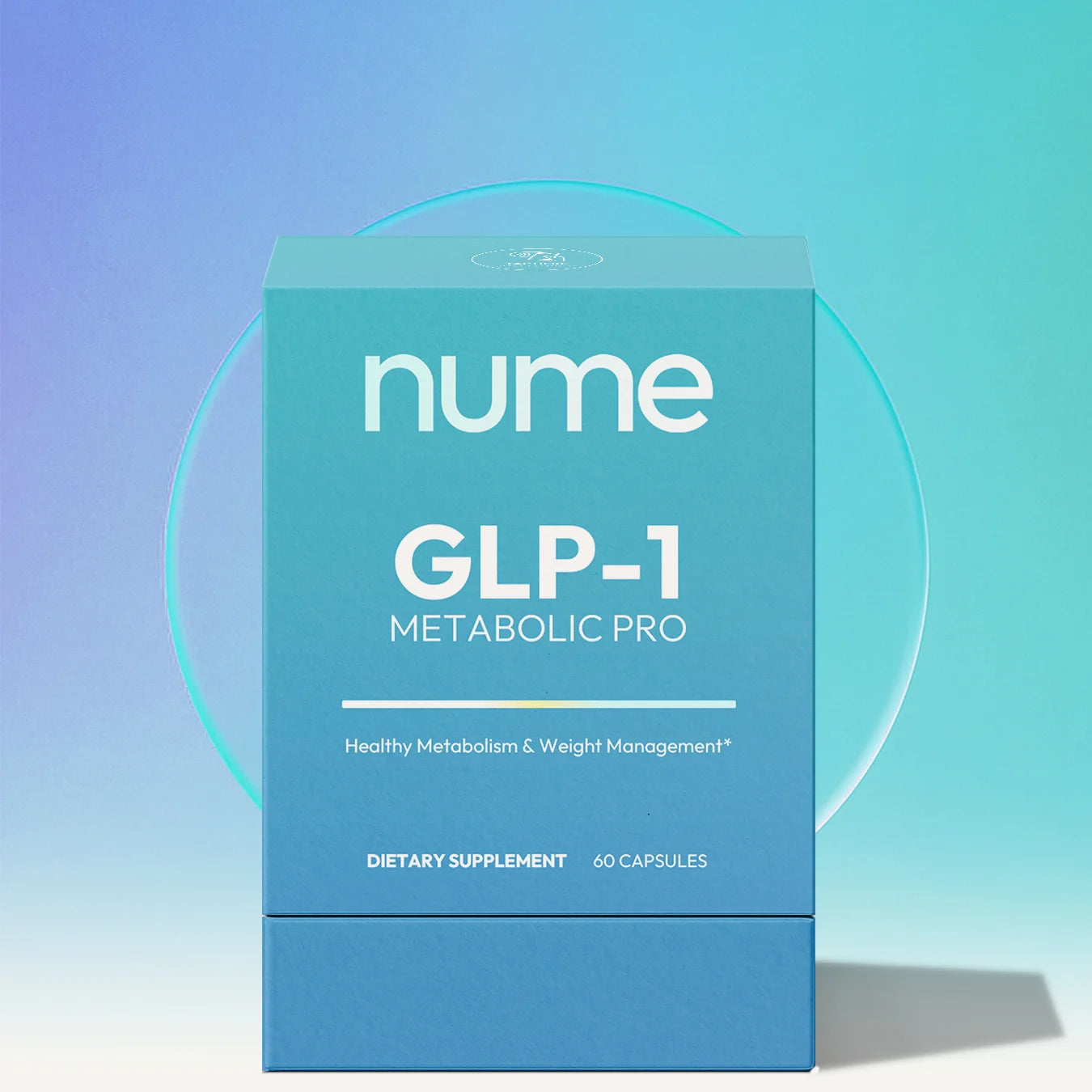
Our GLP-1 Metabolic PRO combines clinically studied ingredients for natural metabolic support.
Shop now
Our story
FAQs About GLP-1
What does GLP-1 stand for?
GLP-1 stands for glucagon-like peptide-1. It's a hormone naturally produced in your gut that helps regulate appetite, blood sugar, and digestion.
Is GLP-1 the same as Ozempic?
No. GLP-1 is a natural hormone your body produces. Ozempic (semaglutide) is a pharmaceutical drug that mimics GLP-1 at much higher concentrations. They target the same receptors, but through very different mechanisms.
Can you increase GLP-1 naturally?
Yes. Research shows that high-fiber diets, protein intake, gut microbiome health, regular meal timing, and certain natural compounds can all support your body's GLP-1 production.
What foods stimulate GLP-1?
High-fiber foods (vegetables, legumes, whole grains), protein-rich foods, and fermented foods are particularly effective at stimulating GLP-1 release. Avocados, nuts, and olive oil have also been shown to support GLP-1 activity.
Are GLP-1 supplements safe?
Natural GLP-1-supporting supplements use ingredients that work with your body's existing systems. Unlike pharmaceutical GLP-1 agonists, they don't override your natural hormone levels. As with any supplement, look for products with clinically studied ingredients and transparent labeling.
Sources
- Holst, J.J. (2007). The physiology of glucagon-like peptide 1. Physiological Reviews, 87(4), 1409-1439.
- Nauck, M.A., & Meier, J.J. (2018). Incretin hormones: Their role in health and disease. Diabetes, Obesity and Metabolism, 20(S1), 5-21.
- Bodnaruc, A.M., et al. (2016). Nutritional modulation of endogenous glucagon-like peptide-1 secretion. Physiology & Behavior, 164, 277-287.
- Cani, P.D., et al. (2009). Gut microbiota fermentation of prebiotics increases satietogenic and incretin gut peptide production. British Journal of Nutrition, 101(4), 541-550.
- Zhang, Y., et al. (2020). Berberine and its role in GLP-1 secretion: A systematic review. Frontiers in Pharmacology, 11, 582.