We all want fast results. The wellness industry knows this, which is why it constantly promises overnight transformations, instant energy, and 7-day miracle cures. But here's what the science actually shows: your body doesn't respond to shortcuts. It responds to rhythm, patience, and consistency. The habits you repeat daily matter far more than any single dramatic change.
Key Takeaways
- Quick fixes create short-term spikes followed by crashes. Lasting results come from daily consistency.
- Your metabolism, hormones, and digestion need 4 to 12 weeks of steady input to truly adapt and rebalance.
- Supplements work through compound effects over time, not instant reactions.
- Building a simple daily wellness routine is the most effective strategy for long-term health.
Why Quick Fixes Always Fail
The appeal of a quick fix is understandable. Who wouldn't want instant results? But the science tells a different story.
When you dramatically change your diet, start an intense workout program, or begin a "detox" cleanse, your body experiences a stress response. You might see initial results, like dropping water weight or feeling an energy surge, but these are temporary adaptations, not genuine progress.1
Here's what actually happens with quick fixes:
-
Crash diets slow your metabolism. Your body interprets severe calorie restriction as a threat and conserves energy, making it harder to maintain any weight loss once you return to normal eating.
-
Stimulant-heavy supplements create energy spikes followed by crashes, disrupting your natural cortisol rhythm and potentially worsening fatigue over time.
-
"Detox" programs often cause temporary water loss that returns within days, giving the illusion of progress without any real physiological change.
The problem isn't effort. It's that your body's systems, from metabolic hormones like GLP-1 to your gut microbiome, need time and consistency to genuinely recalibrate.2
The Science of Habit and Biological Adaptation

Research on habit formation shows that it takes an average of 66 days for a new behavior to become automatic.3 That's not a random number. It reflects how long your neural pathways need to strengthen a new pattern until it requires minimal conscious effort.
But it goes deeper than psychology. Your body physically adapts to consistent inputs:
Metabolic Adaptation (4 to 8 weeks)
Your metabolism isn't a fixed engine. It's a responsive system that adjusts based on what you consistently provide. When you eat regular, balanced meals and support your metabolic pathways daily, your body learns to burn fuel more efficiently rather than storing it as a survival mechanism. This is why science-backed supplementation works best as a daily practice, not an occasional boost.
Hormonal Rebalancing (6 to 12 weeks)
Hormones like insulin, cortisol, leptin, and GLP-1 operate on feedback loops. Consistency in sleep, nutrition, and supplementation helps these loops stabilize. Erratic habits send mixed signals, keeping your hormones in a reactive state rather than a balanced one.2
Gut Microbiome Shifts (2 to 4 weeks)
Your gut bacteria can begin shifting within days of dietary changes, but a stable, healthy microbiome requires weeks of consistent input. Prebiotics, fiber, and gut-supporting nutrients need to be present regularly for beneficial bacteria to establish and thrive.4
How Daily Supplementation Actually Works
Think of supplementation like watering a plant. One heavy watering doesn't make up for weeks of neglect. Your body absorbs, processes, and utilizes nutrients best when they arrive in steady, predictable amounts.
Here's why daily consistency matters for supplements specifically:
-
Fat-soluble nutrients (like Vitamin D, Vitamin K, and certain plant compounds) build up in your tissues over time. Missing days means your levels fluctuate rather than reaching an optimal steady state.
-
Adaptogens and botanicals (like berberine or ashwagandha) work through cumulative biological effects. Their benefits often aren't noticeable until 2 to 4 weeks of consistent use.
-
Gut-supporting ingredients (like prebiotics and digestive enzymes) need daily presence to maintain the microbial environment they help create.
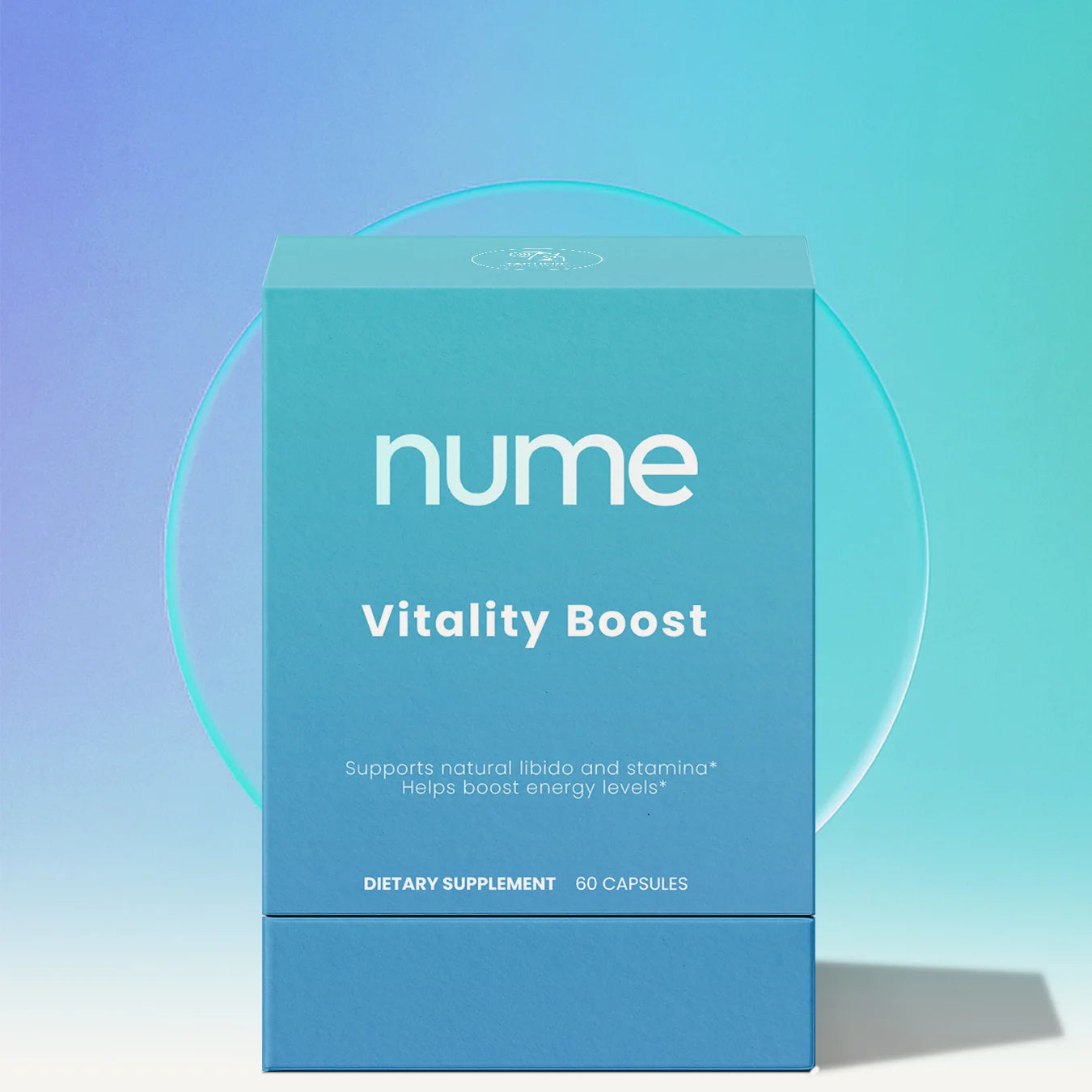
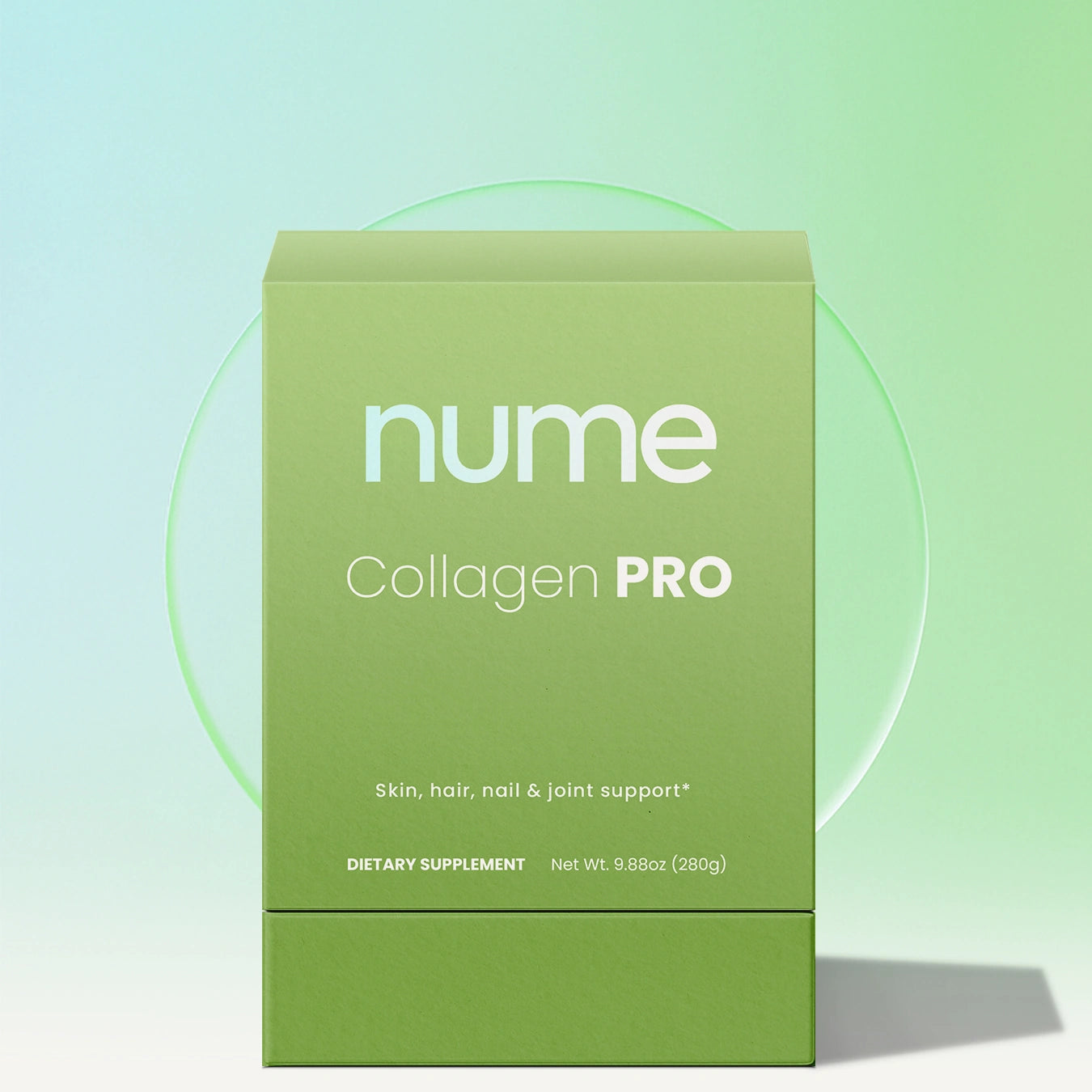
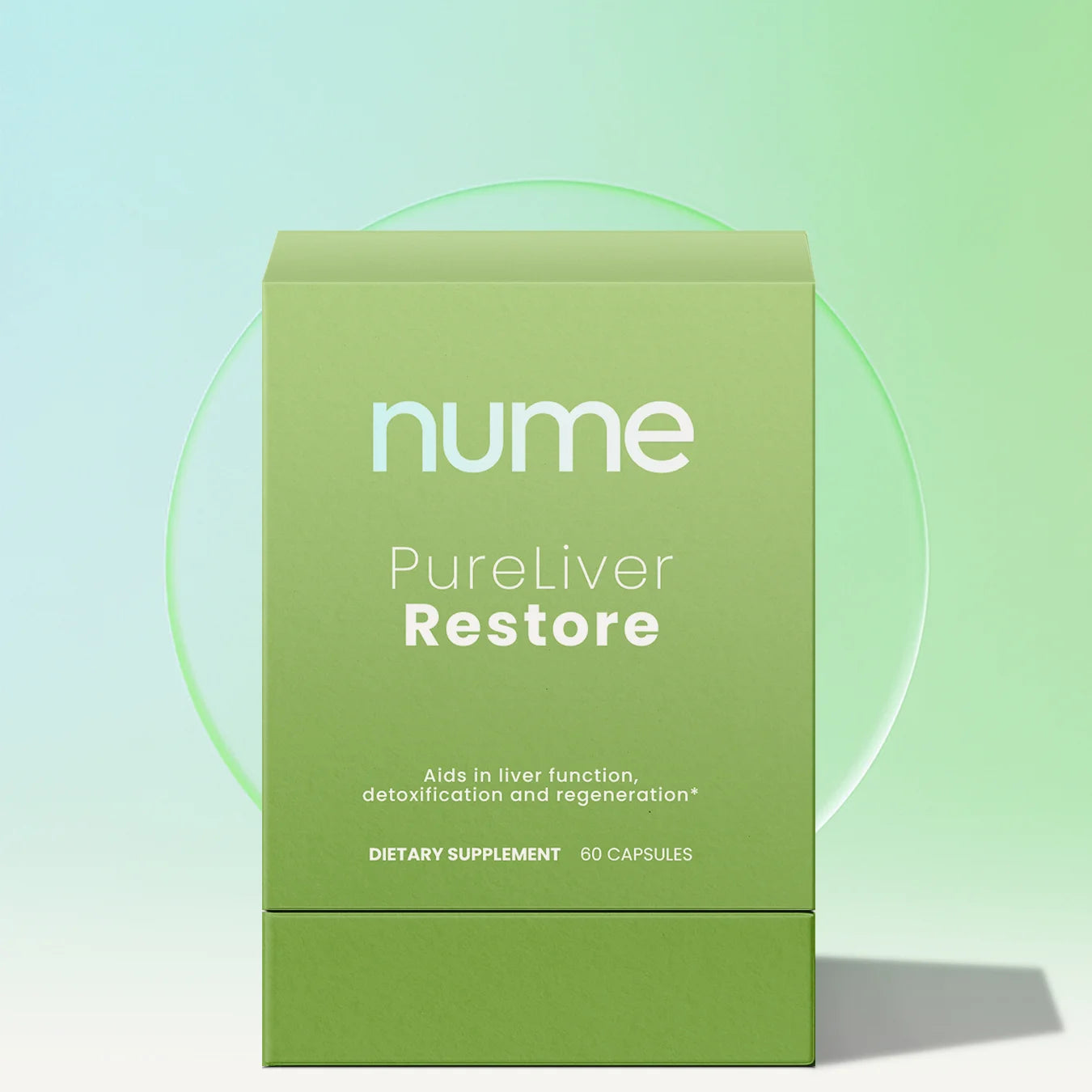
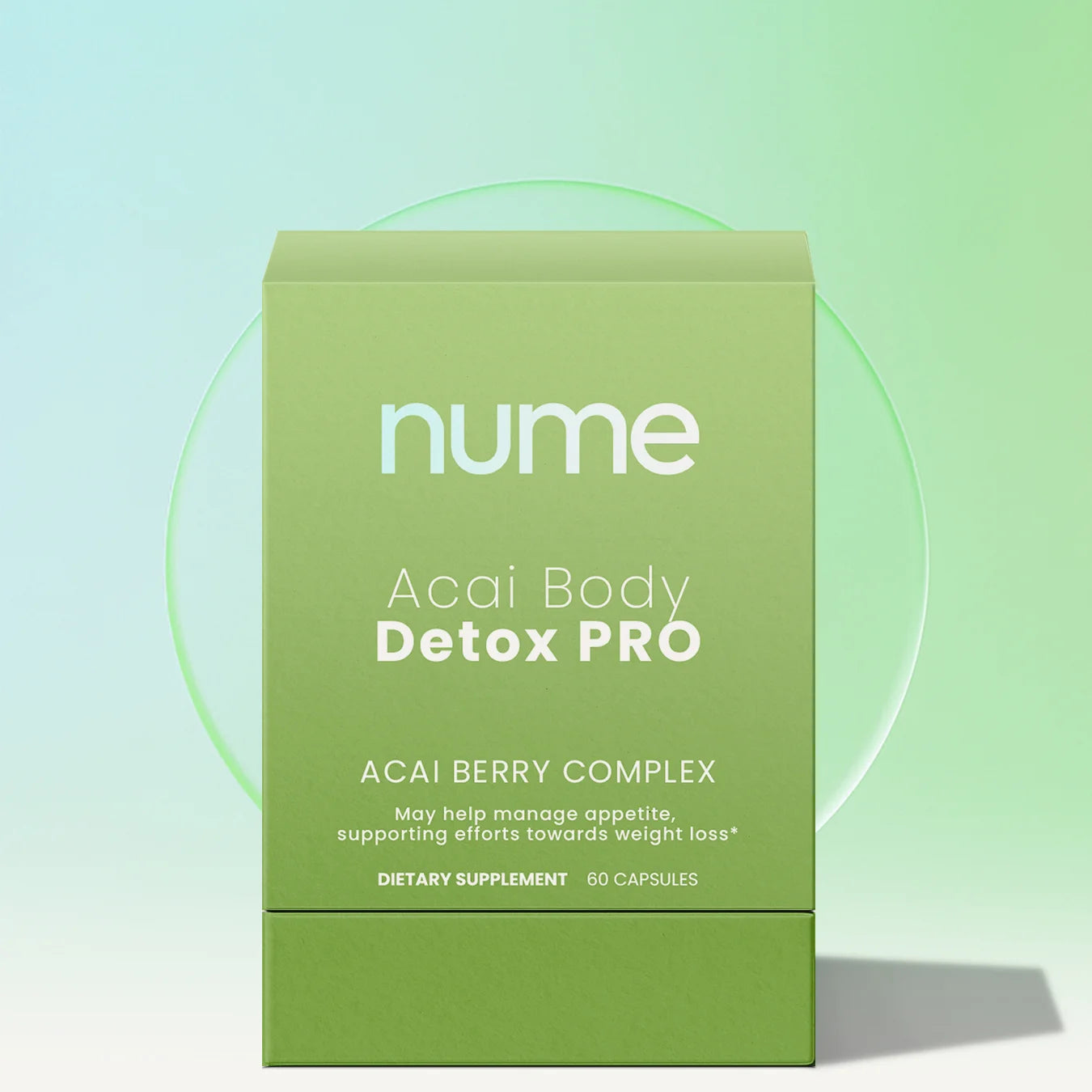
This is exactly why Nume formulates for daily use at clinical dosages. Every product is designed to deliver meaningful amounts of each ingredient, not token doses, so that your body can build real, measurable benefits over weeks and months of consistent use.
Daily Metabolic Support
GLP-1 Metabolic PRO
Support your body's natural appetite regulation and metabolic balance with clinically studied ingredients, designed for daily consistency.
Shop Now
See All

Building a Daily Wellness Routine That Sticks
The best routine is one you can actually maintain. Here are proven strategies for making daily health habits stick:
1. Start Small and Stack
Don't overhaul everything at once. Pick one habit, like taking your supplements with breakfast, and anchor it to something you already do. Behavioral scientists call this "habit stacking": linking a new behavior to an existing one dramatically increases your follow-through.3
2. Same Time, Same Place
Your body thrives on predictability. Taking supplements at the same time each day helps your digestive system prepare for absorption and creates a cue-routine-reward loop that makes the habit feel automatic over time.
3. Track Your Consistency, Not Just Results
Instead of obsessing over the scale or energy levels day-to-day, track whether you showed up. Did you take your supplements? Did you drink enough water? Did you sleep at a consistent time? The results follow the consistency, not the other way around.
4. Give It Eight Weeks
Most people quit a new health habit within 2 to 3 weeks because they don't see dramatic changes. But that's exactly when the biological adaptation is just getting started. Commit to 8 weeks before evaluating. The customers who see the best results are the ones who stay consistent long enough for the compound effects to show.
5. Forgive the Missed Days
Missing a day doesn't reset your progress. Research shows that occasional misses have minimal impact on habit formation as long as they don't become a pattern.3 If you miss a day, simply continue the next morning. No guilt, no restart needed.
The Bottom Line
There is no magic pill. But there is a proven formula: consistency + science + patience.
Your body is designed to adapt, rebuild, and optimize when given the right inputs reliably. Quick fixes fight against your biology. Daily habits work with it. The transformation you're looking for isn't hiding in a single product or a dramatic overhaul. It's in the quiet, steady commitment to showing up for your health every day.
That's the philosophy behind everything Nume creates: products built for daily use, real absorption, and long-term benefit. Not gimmicks. Not shortcuts. Just science-backed support for the habits that actually change your life.
Start Your Daily Routine
Build Consistency with Nume
Choose your daily supplement, commit to 8 weeks, and let your body do what it does best: adapt, rebalance, and thrive.
Shop Now
Learn More
Frequently Asked Questions
How long does it take for supplements to start working?
Most supplements need 2 to 4 weeks of consistent daily use before you notice meaningful changes. Some benefits, like hormonal rebalancing and metabolic adaptation, can take 6 to 12 weeks to fully develop. The key is daily consistency rather than expecting overnight results.
What happens if I miss a day of supplements?
Missing an occasional day won't erase your progress. Research shows that one-off misses have minimal impact on both habit formation and the biological benefits you've built up. Simply resume the next day without trying to "double up" or compensate.
When is the best time of day to take supplements?
The best time is the time you'll actually remember. That said, taking supplements with a meal generally improves absorption, especially for fat-soluble ingredients. Many people find that anchoring their supplement routine to breakfast creates the strongest habit loop.
Why don't quick-fix supplements work long term?
Quick-fix products often rely on stimulants, diuretics, or laxatives that create temporary effects (energy spikes, water weight loss) without addressing the underlying biological systems. Your metabolism, hormones, and gut microbiome all need consistent, sustained support to genuinely improve.
How do I build a supplement routine that sticks?
Start with one product, take it at the same time each day (ideally anchored to an existing habit like breakfast), and commit to at least 8 weeks before evaluating results. Track your consistency rather than obsessing over daily changes. The compound effects of daily habits always outperform sporadic intense efforts.
Sources
- Dulloo, A.G., & Montani, J.P. (2015). Pathways from dieting to weight regain, to obesity and to the metabolic syndrome. Obesity Reviews, 16(S1), 1-6.
- Chaput, J.P., & Tremblay, A. (2012). Adequate sleep to improve the treatment of obesity. Canadian Medical Association Journal, 184(18), 1975-1976.
- Lally, P., et al. (2010). How are habits formed: Modelling habit formation in the real world. European Journal of Social Psychology, 40(6), 998-1009.
- David, L.A., et al. (2014). Diet rapidly and reproducibly alters the human gut microbiome. Nature, 505(7484), 559-563.